Fog and whenua
The fog that blankets the rohe (region) of Ngāti Tahu-Ngāti Whaoa is as familiar as the awa.
Our river goes deep into the earth, it reaches into the land through tributaries, and the fog pulls it up into the air. There is nowhere in these lands that the river does not go.
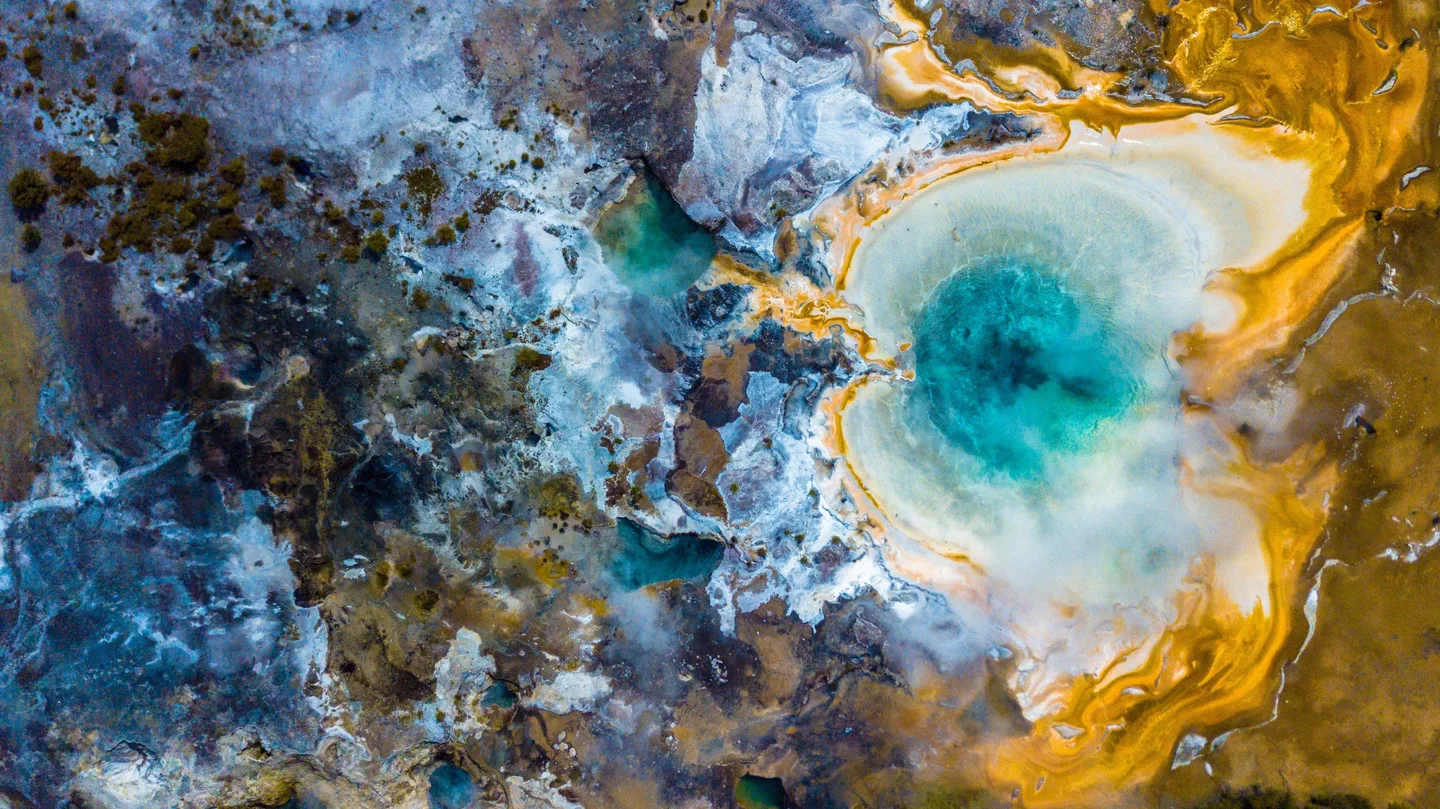
We have more than 20,000km of water in our rohe: the fast-flowing main stem of the awa, the repo (wetlands), ngā manga (the streams and tributaries), the below-ground fissures that can’t be seen. And then we have the fog.
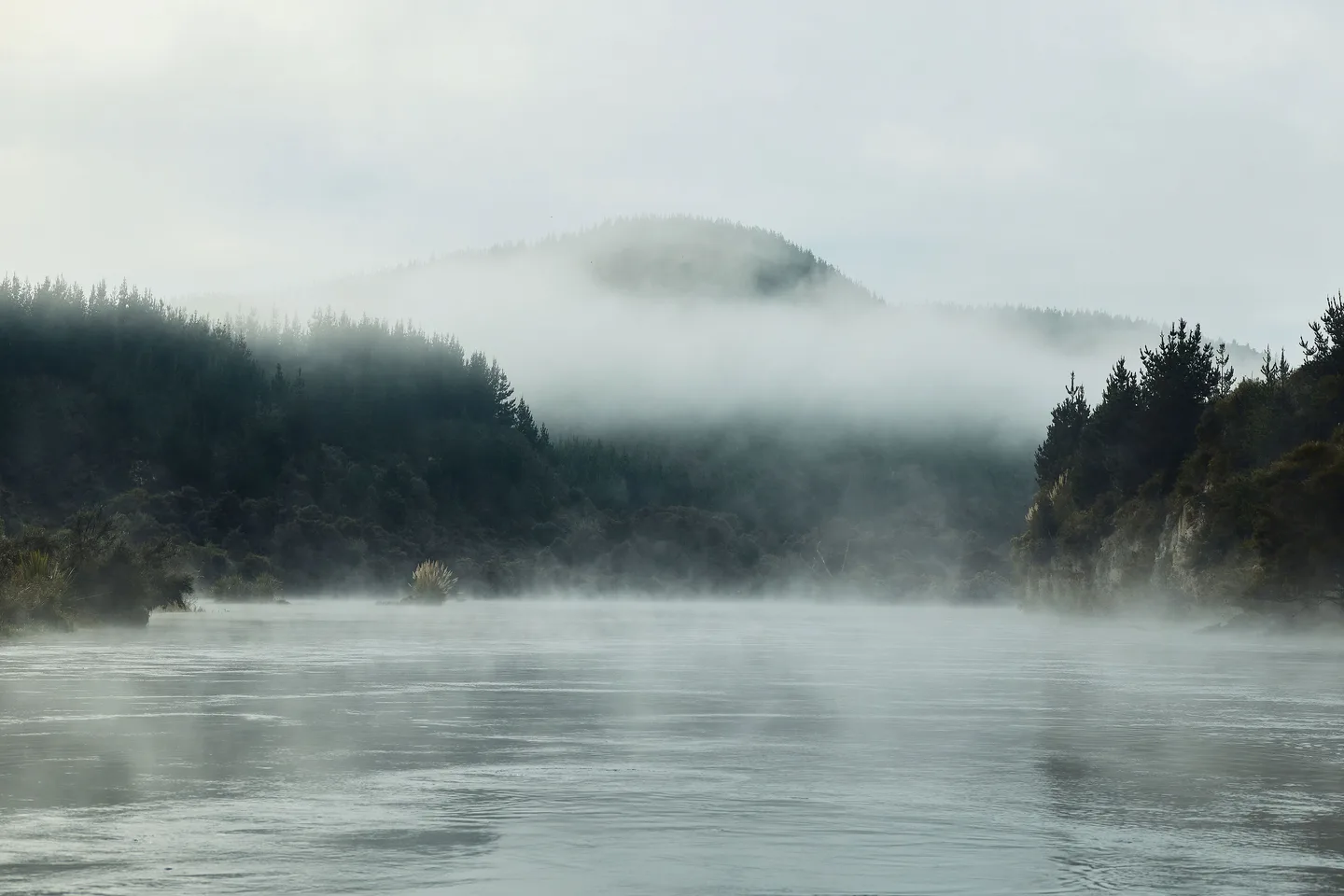
The fog appears with the dawn, shifting and dense, and stays throughout the day, hovering like a bridge over the water and the land. In autumn and winter it is heaviest – it may be bright up the road in Rotorua, and the sun will be shining in Taupō, but along our stretch of awa we will be walking in a cloud. The fog cleans the air and the awa too.
Our fog is thick, so thick that it forms a topography. If you’re sitting on a boat in the middle of the awa and look upstream on a foggy day, it’s as if a new mountain range has appeared. And because for Ngati Tahu-Ngati Whaoa the wai and the whenua are one, the fog makes that connection visible.