The manu of Manutaki
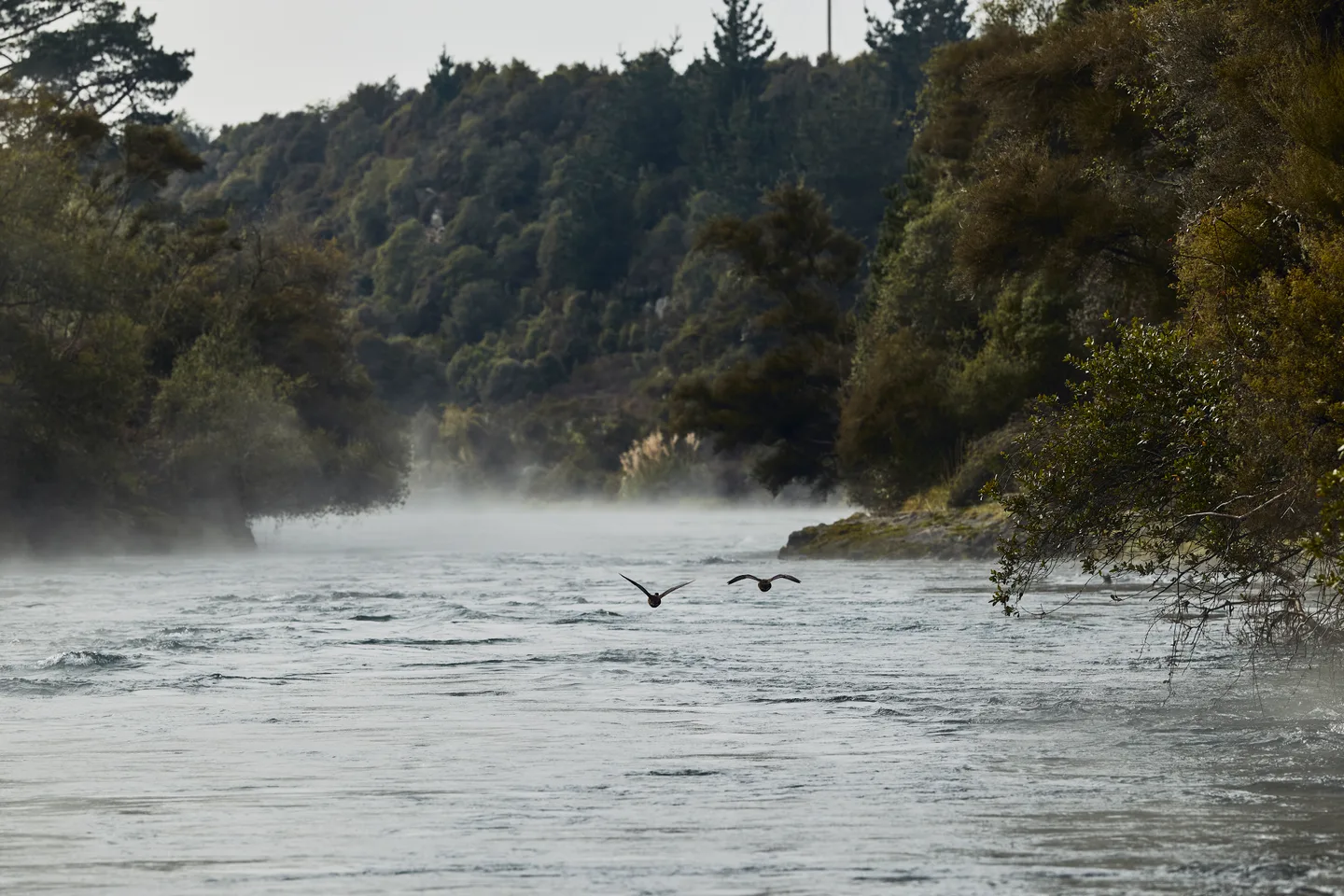
Manu (birds) are tohu (signs, markers) on the awa.
Their migrations and movements mirror the seasonal movements of the people of Ngati Tahu-Ngati Whaoa around this rohe (region) over generations.
Manu are as much a part of our iwi’s story as they are a part of the awa. Tribal history tells us that our eponymous ancestor, Tahumatua, made his journey to this land on a manu long before the great migration of the seven waka. Some say that manu was a giant, ancient bird, and others that it was a great waka shaped and adorned like a great bird, the waka we know as Manu-nui-ā-Rangi. The manu was the kaitiaki for our tūpuna (ancestors).
When you’re out on the river during your AWA visit, ask your driver about the birds. They might point out one bird which flies off its perch – from the same branch on the same bend – to swoop the boat on its first lap of the awa each day.
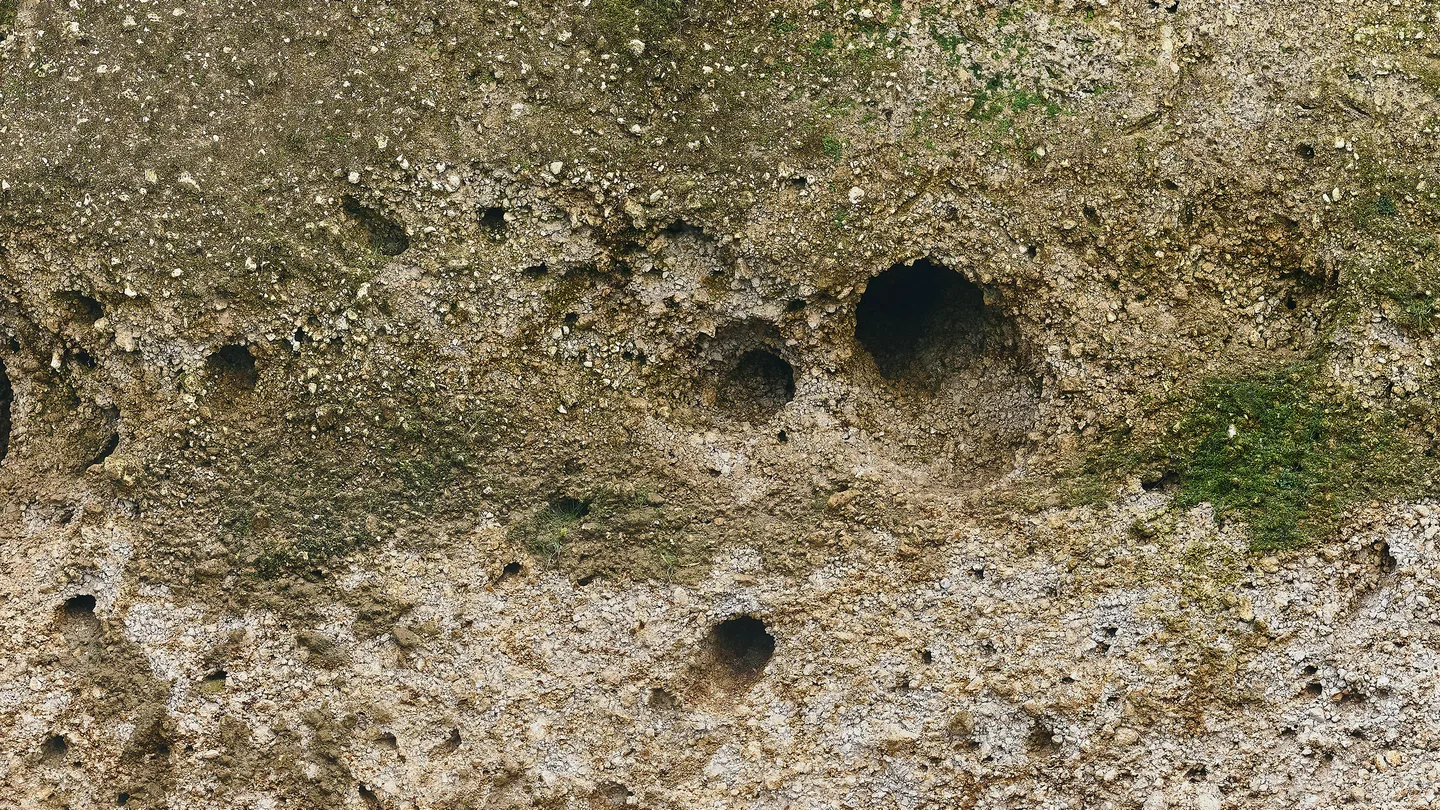
Further down the awa at another bend, a sandy cliff looms up out of the beach on the north side of the river. Your driver may slow down your exhilarating Manutaki journey for long enough to point out the thousands of tiny holes in this cliff – each of them a nest for vertically burrowing birds.
The names of our AWA experiences, Manutaki and Manukura, acknowledge the deep connection of birds to this awa. The characteristics of our native manu are used often as reference for admirable qualities in people. The fast and powerful Manutaki experience takes the name of the sentry bird that flies at the head of the formation. The slower pace of Manukura allows time for contemplation and more treasured stories – kura is a word for a place of learning, a treasure, and, also, a feather.